<?xml version="1.0" encoding="UTF-8"?>
<rss version="2.0"
	xmlns:content="http://purl.org/rss/1.0/modules/content/"
	xmlns:wfw="http://wellformedweb.org/CommentAPI/"
	xmlns:dc="http://purl.org/dc/elements/1.1/"
	xmlns:atom="http://www.w3.org/2005/Atom"
	xmlns:sy="http://purl.org/rss/1.0/modules/syndication/"
	xmlns:slash="http://purl.org/rss/1.0/modules/slash/"
	>

<channel>
	<title>Global Dive &#187; Dive Blog</title>
	<atom:link href="http://www.globaldive.net/category/dive-team/dive-blog/feed/" rel="self" type="application/rss+xml" />
	<link>http://www.globaldive.net</link>
	<description></description>
	<lastBuildDate>Tue, 07 Feb 2012 04:09:33 +0000</lastBuildDate>
	<language>en</language>
	<sy:updatePeriod>hourly</sy:updatePeriod>
	<sy:updateFrequency>1</sy:updateFrequency>
	<generator>http://wordpress.org/?v=3.3.1</generator>
		<item>
		<title>Sea and Sea YS series Strobes</title>
		<link>http://www.globaldive.net/sea-and-sea-ys-series-strobes/</link>
		<comments>http://www.globaldive.net/sea-and-sea-ys-series-strobes/#comments</comments>
		<pubDate>Fri, 30 Sep 2011 23:03:23 +0000</pubDate>
		<dc:creator>Anna</dc:creator>
				<category><![CDATA[Digital Camera Equipment]]></category>
		<category><![CDATA[Digital Underwater Photography]]></category>
		<category><![CDATA[Dive Blog]]></category>
		<category><![CDATA[Dive Shop]]></category>
		<category><![CDATA[Photography]]></category>
		<category><![CDATA[Dive Equipment]]></category>
		<category><![CDATA[Dive Instructors]]></category>
		<category><![CDATA[Dive travel]]></category>
		<category><![CDATA[Equipment]]></category>
		<category><![CDATA[Sea & Sea]]></category>
		<category><![CDATA[Strobe]]></category>
		<category><![CDATA[Tom]]></category>

		<guid isPermaLink="false">http://www.globaldive.net/?p=2304</guid>
		<description><![CDATA[Global Dive customer Glenn Smith has sent us an example of what you can shoot with a YSo2 strobe Strobe Review by Tom Crisp Usually I am the diver in front of the camera, posing for photographers, recently this has changed.  In July I took the plunge and bought my first camera. After all, we [...]]]></description>
			<content:encoded><![CDATA[<div id="attachment_2385" class="wp-caption aligncenter" style="width: 190px"><a href="http://www.globaldive.net/wp-content/uploads/2011/10/Glenn-Smith-Eel-with-shrimp.jpg"><img class="size-medium wp-image-2385  " title="Global Dive customer Glenn Smith has sent us an example of what you can shoot with a YSo2 strobe" src="http://www.globaldive.net/wp-content/uploads/2011/10/Glenn-Smith-Eel-with-shrimp-225x300.jpg" alt="" width="180" height="240" /></a><p class="wp-caption-text">YS02 strobe Eel with Shrimp</p></div>
<p>Global Dive customer Glenn Smith has sent us an example of what you can shoot with a YSo2 strobe</p>
<p><strong>Strobe Review by Tom Crisp</strong></p>
<p>Usually I am the diver in front of the camera, posing for photographers, recently this has changed.  In July I took the plunge and bought my first camera.<br />
After all, we do have a lot of talk about photography around the shop and I was starting to feel left behind.<br />
Buying a camera system is no easy task as there are so many options and opinions out there. You have to consider the camera itself, lenses, housings, ports and finally strobes, each with their own sub categories to make the decisions harder.<br />
After finally deciding on which camera and housing to get with a lot of help from both Andrew and Bonnie (thanks guys) I set my heart on a Sony NEX5 camera with fish eye lens and Nauticam housing.<br />
This system is small, light and very high quality so I needed strobes to match.</p>
<p>The search began for a strobe (or two) which would complement the size of my housing whilst maintaining build quality. I have had little previous experience with strobes. In fact about the extent of my experience was being blinded by them.<br />
So once again I turned to Andrew for some expert guidance. He told me to borrow the shop’s rental strobe which was a Sea and Sea YS27 so I took it to the pool along with my new setup and started to fire away.<br />
It was almost exactly what I was looking for. A week later we had a new strobe in the Sea and Sea range dropped in to us so we could have a look, the YS01. This was the newest model in the range so naturally, I had to have it.</p>
<div id="attachment_2308" class="wp-caption alignright" style="width: 131px"><a href="http://www.globaldive.net/wp-content/uploads/2011/08/Munching-mollusc.jpg"><img class="size-medium wp-image-2308 " title="Munching mollusc" src="http://www.globaldive.net/wp-content/uploads/2011/08/Munching-mollusc-199x300.jpg" alt="" width="121" height="166" /></a><p class="wp-caption-text">Munching mollusc / Photograph by Tom Crisp</p></div>
<p>With little persuasion I ended up making the YS01 the latest addition to my equipment, and I have not looked back since.</p>
<p>There are two strobes to choose from in the new YS series, the YS01 and YS02.<br />
Both have the same features except the YS02 does not have TTL function or a built in focus light.<br />
The focus light was the deciding factor for me as I bought it with the intention of getting some cave diving shots, making it a necessity.<br />
The strobe itself weighs only 500g keeping it in line with my lightweight rig. It uses a fiber optic cable allowing the unit to be used with almost every camera and housing on the market.  The controls are extremely simple, off, pre flash, normal flash and power adjustment. They are also very easy to use when wearing thick gloves.<br />
I was overwhelmed by the power output of the YS01 and found myself dialing down the power on some of my shots in open water.  Sea and Sea have clearly improved on the YS27 by making the unit smaller, lighter and brighter. At the moment I still have only one strobe so I am still borrowing more for my trip to Mexico (the camera was bought specifically for this trip).<br />
As soon as I get back I will definitely be taking the next step to obtaining the younger brother, the YS02. As I will already have a focus light and rarely use the TTL function this seems the logical choice to accompany my existing kit.</p>
<p>All up I think the newest editions to the Sea and Sea YS series are a winner for entry level to advanced photographers alike.</p>
<p>They will also make a great travel set of strobes and really don’t hurt the wallet as much as some others on the market.<br />
You get a hell of a lot for your money with this package and I can’t wait to start shooting with two of them.</p>
<p><a href="http://www.globaldive.net/wp-content/uploads/2011/08/Deralie-pool1.jpg"><img class="alignnone size-medium wp-image-2306" title="Deralie pool" src="http://www.globaldive.net/wp-content/uploads/2011/08/Deralie-pool1-200x300.jpg" alt="" width="127" height="167" /></a> <a href="http://www.globaldive.net/wp-content/uploads/2011/08/Diver-pool2.jpg"><img class="alignnone size-medium wp-image-2311" title="Diver pool" src="http://www.globaldive.net/wp-content/uploads/2011/08/Diver-pool2-300x205.jpg" alt="" width="237" height="166" /></a>  <a href="http://www.globaldive.net/wp-content/uploads/2011/08/starry-eyed-steve.jpg"><img class="alignnone size-medium wp-image-2309" title="starry eyed steve" src="http://www.globaldive.net/wp-content/uploads/2011/08/starry-eyed-steve-300x199.jpg" alt="" width="246" height="166" /></a></p>
<p>Open water photos shot with YS01 and YS27 strobes</p>
<p>Pool photos shot with YS27 only</p>
<p>As promised here at the Cave photos I took on my recent trip to Mexico.</p>
<p><a href="http://www.globaldive.net/wp-content/uploads/2011/10/Nicolas-sm.jpg"><img class="alignnone size-medium wp-image-2381" title="SONY DSC" src="http://www.globaldive.net/wp-content/uploads/2011/10/Nicolas-sm-300x199.jpg" alt="" width="300" height="199" /></a>   <a href="http://www.globaldive.net/wp-content/uploads/2011/10/Fred-Devos-sm.jpg"><img class="alignnone size-medium wp-image-2382" title="SONY DSC" src="http://www.globaldive.net/wp-content/uploads/2011/10/Fred-Devos-sm-300x199.jpg" alt="" width="300" height="199" /></a></p>
<h3  class="related_post_title">Related Pages</h3><ul class="related_post"><li><a href="http://www.globaldive.net/product-review-scubapro-seawing-nova-fins/" title="Product Review : Scubapro Seawing Nova Fins">Product Review : Scubapro Seawing Nova Fins</a></li><li><a href="http://www.globaldive.net/sea-sea-dx-1200hd-camera/" title="Sea and Sea DX-1200HD Camera">Sea and Sea DX-1200HD Camera</a></li><li><a href="http://www.globaldive.net/scubapro-jet-fin/" title="Scubapro Jet Fin">Scubapro Jet Fin</a></li><li><a href="http://www.globaldive.net/nikon-l22-with-ikelite-housing/" title=" Nikon L22 with Ikelite  housing"> Nikon L22 with Ikelite  housing</a></li></ul>]]></content:encoded>
			<wfw:commentRss>http://www.globaldive.net/sea-and-sea-ys-series-strobes/feed/</wfw:commentRss>
		<slash:comments>0</slash:comments>
		</item>
		<item>
		<title>June Advanced Open Water</title>
		<link>http://www.globaldive.net/june-advanced-open-water/</link>
		<comments>http://www.globaldive.net/june-advanced-open-water/#comments</comments>
		<pubDate>Tue, 28 Jun 2011 10:02:30 +0000</pubDate>
		<dc:creator>Tara</dc:creator>
				<category><![CDATA[Dive Blog]]></category>

		<guid isPermaLink="false">http://www.globaldive.net/?p=2250</guid>
		<description><![CDATA[Related PagesNo Related Pages]]></description>
			<content:encoded><![CDATA[<div id="attachment_2251" class="wp-caption aligncenter" style="width: 265px"><a href="http://www.globaldive.net/padi-advanced-open-water-diver/"><img class="size-full wp-image-2251      " title="267005_10150247657828447_37020133446_7291620_2813424_o" src="http://www.globaldive.net/wp-content/uploads/2011/06/267005_10150247657828447_37020133446_7291620_2813424_o.jpg" alt="" width="255" height="191" /></a><p class="wp-caption-text">Julien, Chris and Jack with Instructor Danielle</p></div>
<h3  class="related_post_title">Related Pages</h3><ul class="related_post"><li>No Related Pages</li></ul>]]></content:encoded>
			<wfw:commentRss>http://www.globaldive.net/june-advanced-open-water/feed/</wfw:commentRss>
		<slash:comments>0</slash:comments>
		</item>
		<item>
		<title>Shearwater Predator Computer</title>
		<link>http://www.globaldive.net/shearwater-predator-computer/</link>
		<comments>http://www.globaldive.net/shearwater-predator-computer/#comments</comments>
		<pubDate>Tue, 28 Jun 2011 09:49:02 +0000</pubDate>
		<dc:creator>Anna</dc:creator>
				<category><![CDATA[Dive Blog]]></category>
		<category><![CDATA[Dive Computers]]></category>
		<category><![CDATA[Dive Shop]]></category>
		<category><![CDATA[Andrew]]></category>
		<category><![CDATA[Dive computer]]></category>
		<category><![CDATA[Dive Equipment]]></category>
		<category><![CDATA[Equipment]]></category>
		<category><![CDATA[Shearwater]]></category>
		<category><![CDATA[Tom]]></category>

		<guid isPermaLink="false">http://www.globaldive.net/?p=2236</guid>
		<description><![CDATA[Global Dive is pleased to announce that we are now an authorised dealer for Shearwater computers. These high tech dive computers have steadily become the first choice for serious technical divers all over the world. I (Andrew) was lucky enough to test dive a Predator late last year when New Zealand Shearwater representative Paul Trainor [...]]]></description>
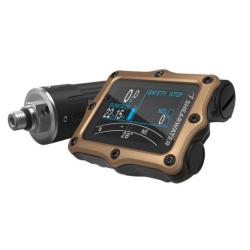
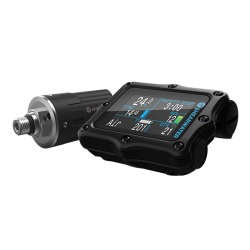
			<content:encoded><![CDATA[<p>Global Dive is pleased to announce that we are now an authorised dealer for Shearwater computers.</p>
<p>These high tech dive computers have steadily become the first choice for serious technical divers all over the world.</p>
<div id="attachment_2237" class="wp-caption alignright" style="width: 325px"><a href="http://www.globaldive.net/wp-content/uploads/2011/06/Shearwater-Predator.jpg"><img class="size-full wp-image-2237" title="Shearwater Predator" src="http://www.globaldive.net/wp-content/uploads/2011/06/Shearwater-Predator.jpg" alt="" width="315" height="344" /></a><p class="wp-caption-text">Shearwater Predator</p></div>
<p>I (Andrew) was lucky enough to test dive a Predator late last year when New Zealand Shearwater representative Paul Trainor came up to dive with us at the Poor Knights.<br />
Paul supplied a Shearwater for Tom and I to use.<br />
We did 4 great dives including a couple of big Trimix dives.<br />
The computers performed fantastically well, meaning it was only a matter of time before Tom and I ordered our own computers.</p>
<p>Fast forward three months and both of us invested in new Shearwaters.</p>
<p>Tom bought the Head up Display for his Kiss (review coming up) and I bought a Predator.<br />
Now I have used the computer in a few different types of dives, I feel I can start to comment on its performance.</p>
<p>Firstly, the display is amazing.</p>
<p>The OLED screen is easy to read in all light conditions.<br />
The feedback from our *slightly* older customers is that they are over the moon they can finally see a clear display, especially at depth and in poor lighting environments!!</p>
<p>The options available are simply vast, this unit can be used with multiple nitrox mixes, trimix for deeper dives and also both semi and fully closed circuit rebreathers.<br />
My decision to buy one was partly due to the fact that I still do a range of dives, so now I have a computer that does it all, air dives with a single tank, twinsets dives with rich oxygen deco gases and trimix rebreather dives!!<br />
This functionality also is a great benefit when using on &#8220;big&#8221; dives, you can switch gases with ease, and if things don&#8217;t go to plan, you can make adjustments on the fly.</p>
<p>Aimed directly at tech divers, the Shearwater will grow with you.</p>
<p>If you are starting out on your tech journey it can be a bit confusing at the start to decide where it will take you, this computer can be adapted to suit all of these directions.<br />
So, you start with the Open circuit mode, allowing you to use multiple gas mixes.<br />
Then when you learn trimix, you can just plug in which gases you are using.<br />
If you decide to get a rebreather, such as a Kiss or Inspo, you can upgrade the software to feature PO2 set points.<br />
If a re reagent is a certainty, it may well be worth choosing the Predator with the Fischer connection, this is used to hard wire your computer into your re reagent so you can get live data from the cells, so it can monitor gas partial pressures and calculate accurate deco information in real time.<br />
This is slowly becoming the norm for many divers around the world, and seen as the ultimate set up on rebreathers.</p>
<p>Other little surprises you get when you start using one include a really good dive planning software built in.<br />
Either bail out plans or even full dive plans can be calculated on the wrist unit, including gas considerations.  This option even extends to working underwater during the dive.<br />
When you select dive plan during the dive it gives you all your stops required to get out the water as well as the volume of each gas used.<br />
The next pleasant surprise was the ease at which you can download the unit to your home computer or laptop.<br />
The predator uses Bluetooth for this so no cables or USB plugs to worry about.</p>
<p>Prices start at CAD$1145 for the open circuit model, through to CAD$1895 for CCR/OC trimix model with hard wire capability.</p>
<p>Landed prices are at the current exchange rate, plus $50 shipping from Canada and NZ GST.</p>
<h3  class="related_post_title">Related Pages</h3><ul class="related_post"><li><a href="http://www.globaldive.net/sidemount-bcd/" title="Sidemount BCD">Sidemount BCD</a></li><li><a href="http://www.globaldive.net/tdi-advanced-nitrox-diver-and-tdi-decompression-procedures-diver/" title="TDI Advanced Nitrox Diver and TDI Decompression Procedures Diver">TDI Advanced Nitrox Diver and TDI Decompression Procedures Diver</a></li><li><a href="http://www.globaldive.net/scubapro-jet-fin/" title="Scubapro Jet Fin">Scubapro Jet Fin</a></li><li><a href="http://www.globaldive.net/sea-and-sea-ys-series-strobes/" title="Sea and Sea YS series Strobes">Sea and Sea YS series Strobes</a></li></ul>]]></content:encoded>
			<wfw:commentRss>http://www.globaldive.net/shearwater-predator-computer/feed/</wfw:commentRss>
		<slash:comments>0</slash:comments>
		</item>
		<item>
		<title>Sidemount BCD</title>
		<link>http://www.globaldive.net/sidemount-bcd/</link>
		<comments>http://www.globaldive.net/sidemount-bcd/#comments</comments>
		<pubDate>Mon, 27 Jun 2011 05:11:41 +0000</pubDate>
		<dc:creator>Anna</dc:creator>
				<category><![CDATA[Dive Blog]]></category>
		<category><![CDATA[Technical Diving]]></category>
		<category><![CDATA[BCD]]></category>
		<category><![CDATA[Dive Course]]></category>
		<category><![CDATA[Dive Equipment]]></category>
		<category><![CDATA[Equipment]]></category>
		<category><![CDATA[sidemount diving]]></category>
		<category><![CDATA[TDI]]></category>
		<category><![CDATA[Tom]]></category>

		<guid isPermaLink="false">http://www.globaldive.net/?p=2240</guid>
		<description><![CDATA[Sidemount BCD - Article by Tom Crisp While some technical divers like the idea of diving with a lot of equipment others opt for the minimalistic approach, both are valid in their own way as there is no one way to dive. The sidemount BCD utilizes the minimal approach much like the DIR and hogarthian concepts, “less [...]]]></description>
			<content:encoded><![CDATA[<p><strong>Sidemount BCD - Article by Tom Crisp</strong></p>
<div id="attachment_2242" class="wp-caption alignright" style="width: 410px"><a href="http://www.globaldive.net/wp-content/uploads/2011/06/Tom-Crisp-sidemount-diver.jpg"><img class="size-full wp-image-2242" title="Tom Crisp sidemount diver" src="http://www.globaldive.net/wp-content/uploads/2011/06/Tom-Crisp-sidemount-diver.jpg" alt="" width="400" height="266" /></a><p class="wp-caption-text">Tom Crisp - Sidemount Diver / Photograph by Andrew Simpson</p></div>
<p>While some technical divers like the idea of diving with a lot of equipment others opt for the minimalistic approach, both are valid in their own way as there is no one way to dive.<br />
The sidemount BCD utilizes the minimal approach much like the DIR and hogarthian concepts, “less is more.” However the sidemount divers have taken it a step further.<br />
To understand the concepts behind the system you first need to understand the history.</p>
<p>Sidemount diving began in the early 1960’s when British dry cavers came to a cave passage filled with water.<br />
To get further into the cave they had to dive in the sump. Their reasoning behind sidemount was because it was easier to transport the equipment through the cave as it could be broken down into much smaller components than a twinset.<br />
A decade later sidemount started to show up on the American cave diving scene with divers such as Woody Jasper using it to push new leads in Florida’s springs.<br />
More recently commercially made BCD’s have been developed as sidemount diving is growing in popularity not just for cave divers but also open water and technical divers, But why?</p>
<p>With the sidemount configuration you take the cylinders off of your back and place them at your sides much like a stage cylinder, making your profile in the water more streamlined.</p>
<p>Also cylinders can be removed and replaced more freely than in back mounted cylinders making it perfect for cavers, they can now easily remove equipment to fit through smaller holes/passages.</p>
<p>For open water divers cylinders can be easily put on in the water where you are relatively weightless allowing a diver with a back or knee injury a more comfortable entry.<br />
There are many more reasons for sidemount diving but we’re here to look at the equipment.</p>
<div id="attachment_2241" class="wp-caption alignright" style="width: 297px"><a href="http://www.globaldive.net/wp-content/uploads/2011/06/SM.jpg"><img class="size-full wp-image-2241 " title="SM" src="http://www.globaldive.net/wp-content/uploads/2011/06/SM.jpg" alt="" width="287" height="346" /></a><p class="wp-caption-text">Sizing up a Sidemount</p></div>
<p>The BCD we are looking at is the two piece continuous weave harness and bladder.</p>
<p>Many of the sidemount BCD’s on the market at the moment seem to cater to the diver who wants to use them for both sidemount diving and back mount, making them great for anyone wanting to switch between the two regularly.<br />
Where the continuous harness varies is that it can only be used for diving in sidemount so does not compromise any of the system to allow for conventional backmount.</p>
<p>As I said before this harness uses many of the same concepts of DIR diving.<br />
It has no quick release buckles or quick-adjust straps to reduce failure points and entanglement hazards (after all it was originally designed for cave diving).<br />
It does not have a rigid backplate so it provides more flexibility in the water. This is probably my favorite feature of the whole system as you feel free and at ease in the water, much like a spear fisher who does not have a lot of gear.</p>
<p>An MSR camel back, dump valve and hydration kit is used for off-setting any additional weight carried at the start of the dive, effectively this is your wing.<br />
The only downside to this wing I have found is the time wasted on the back of the boat trying to explain to everyone exactly how it works.</p>
<p>There are a few different sizes of wing from 10 liters down to 2 liters (1 liter = 1kg of lift).<br />
The wing itself is fairly small in comparison to most meaning that you have to be properly weighted.<br />
This is by no means a bad thing as buoyancy becomes much easier. Due to the small size of the wing it sits very close to the divers back again making it streamlined and comfortable to wear.<br />
It can be easily removed in and out of the water just like the cylinders, but you would have to have an extremely good reason to do this in the water.<br />
The wing can only be orally inflated due to the lack of a power inflator, this takes a little practice to start with but is soon mastered.</p>
<p>To sum up, this System is a pleasure to dive due to its simple and streamlined nature.<br />
In fact it is so streamlined that when you are kitted up on the back of the boat you often get asked if you are forgetting anything.<br />
It does everything the sidemount diver needs, whether it is for open water or cave diving while keeping equipment clutter to a minimum.</p>
<p>The best way to appreciate the benefits is to try one out.<br />
If you would like to give sidemount diving a whirl then just ask at the shop and we’d be more than happy to help.<br />
TDI courses and the harness’ are available almost any time.</p>
<h3  class="related_post_title">Related Pages</h3><ul class="related_post"><li><a href="http://www.globaldive.net/tdi-advanced-nitrox-diver-and-tdi-decompression-procedures-diver/" title="TDI Advanced Nitrox Diver and TDI Decompression Procedures Diver">TDI Advanced Nitrox Diver and TDI Decompression Procedures Diver</a></li><li><a href="http://www.globaldive.net/shearwater-predator-computer/" title="Shearwater Predator Computer">Shearwater Predator Computer</a></li><li><a href="http://www.globaldive.net/sidemount-diving/" title="Sidemount Diving">Sidemount Diving</a></li><li><a href="http://www.globaldive.net/scubapro-jet-fin/" title="Scubapro Jet Fin">Scubapro Jet Fin</a></li></ul>]]></content:encoded>
			<wfw:commentRss>http://www.globaldive.net/sidemount-bcd/feed/</wfw:commentRss>
		<slash:comments>0</slash:comments>
		</item>
		<item>
		<title>Sidemount Diving</title>
		<link>http://www.globaldive.net/sidemount-diving/</link>
		<comments>http://www.globaldive.net/sidemount-diving/#comments</comments>
		<pubDate>Wed, 01 Jun 2011 02:02:27 +0000</pubDate>
		<dc:creator>Anna</dc:creator>
				<category><![CDATA[Dive Blog]]></category>
		<category><![CDATA[Dive Equipment]]></category>
		<category><![CDATA[Global Dive]]></category>
		<category><![CDATA[sidemount diving]]></category>
		<category><![CDATA[TDI]]></category>
		<category><![CDATA[Tom]]></category>

		<guid isPermaLink="false">http://www.globaldive.net/?p=2211</guid>
		<description><![CDATA[After talking to some friends who had recently come back from a mid week trip, glowing from their experience. They introduced me to a new equipment configuration. Side mount diving. Effectively what this equipment configuration does it takes the cylinders off of your back and neatly positions them under your arms allowing you the freedom [...]]]></description>
			<content:encoded><![CDATA[<div id="attachment_2283" class="wp-caption aligncenter" style="width: 293px"><a href="http://www.globaldive.net/wp-content/uploads/2011/06/web_Sidemount.jpg"><img class="size-full wp-image-2283  " title="web_Sidemount" src="http://www.globaldive.net/wp-content/uploads/2011/06/web_Sidemount.jpg" alt="" width="283" height="188" /></a><p class="wp-caption-text">Sidemount Diver Tom Crisp</p></div>
<p>After talking to some friends who had recently come back from a mid week trip, glowing from their experience. They introduced me to a new equipment configuration. Side mount diving.</p>
<p>Effectively what this equipment configuration does it takes the cylinders off of your back and neatly positions them under your arms allowing you the freedom to easily remove each cylinder. But why would you do such a thing?</p>
<p>Side mount diving originally stemmed from cavers in the U.K reaching a passage filled with water, and in the name of exploration they had to know if the cave passage continued underwater only to emerge back in dry cave (or speaking for experience damp cave).<br />
This side mount configuration was used so that the cylinders could be removed and pushed ahead of the diver allowing them to fit through some extremely tight spaces.</p>
<p>So why were my friends introducing me to this configuration?<br />
I can only assume it is because I’m the smallest in the group and there was 1 tight squeeze somewhere that neither of them could pass. Never the less we have been using it in open water as well as confined spaces and found it gave an immense sense of freedom, it is as if you are a free-diver who is able to stay submerged for hours.</p>
<p>The playfulness of this system is apparent before you even enter the water as you can walk to the water’s edge in just your harness and put your cylinders on while the weight is taken off your shoulders.<br />
My enthusiasm has been re-sparked for this neat little setup as an instructor has recently toured New Zealand.<br />
If anyone is interested in giving side mount a whirl Global Dive will soon have a harness and stage kit for rental, or you could come and speak to me at the shop about courses.</p>
<h3  class="related_post_title">Related Pages</h3><ul class="related_post"><li><a href="http://www.globaldive.net/sidemount-bcd/" title="Sidemount BCD">Sidemount BCD</a></li><li><a href="http://www.globaldive.net/tdi-advanced-nitrox-diver-and-tdi-decompression-procedures-diver/" title="TDI Advanced Nitrox Diver and TDI Decompression Procedures Diver">TDI Advanced Nitrox Diver and TDI Decompression Procedures Diver</a></li><li><a href="http://www.globaldive.net/tdi-intro-to-tech-course/" title="TDI Intro to Tech Course">TDI Intro to Tech Course</a></li><li><a href="http://www.globaldive.net/scubapro-jet-fin/" title="Scubapro Jet Fin">Scubapro Jet Fin</a></li></ul>]]></content:encoded>
			<wfw:commentRss>http://www.globaldive.net/sidemount-diving/feed/</wfw:commentRss>
		<slash:comments>0</slash:comments>
		</item>
		<item>
		<title>Where and When to Dive?</title>
		<link>http://www.globaldive.net/where-and-when-to-dive/</link>
		<comments>http://www.globaldive.net/where-and-when-to-dive/#comments</comments>
		<pubDate>Tue, 14 Sep 2010 04:53:16 +0000</pubDate>
		<dc:creator>Tara</dc:creator>
				<category><![CDATA[Dive Blog]]></category>
		<category><![CDATA[Anna]]></category>
		<category><![CDATA[Auckland]]></category>
		<category><![CDATA[Fiji]]></category>
		<category><![CDATA[Fiordland]]></category>
		<category><![CDATA[Northland]]></category>
		<category><![CDATA[Tonga]]></category>
		<category><![CDATA[When to Dive]]></category>
		<category><![CDATA[Where to Dive]]></category>

		<guid isPermaLink="false">http://www.globaldive.net/?p=2153</guid>
		<description><![CDATA[﻿Having worked at the Poor Knights for a season I was lucky enough to get out there diving twice a day, 5 days a week, so as you might imagine I have had occasion to dive the same dive site numerous times. It has been heard from some divers that if they have dived a [...]]]></description>
			<content:encoded><![CDATA[<div id="attachment_2154" class="wp-caption alignright" style="width: 194px"><a href="http://www.globaldive.net/wp-content/uploads/2010/09/M0011208.jpg"><img class="size-full wp-image-2154   " title="M0011208" src="http://www.globaldive.net/wp-content/uploads/2010/09/M0011208.jpg" alt="" width="184" height="138" /></a><p class="wp-caption-text"> / Photograph by Anna Clague</p></div>
<p>﻿Having worked at the Poor Knights for a season I was lucky enough to get out there diving twice a day, 5 days a week, so as you might imagine I have had occasion to dive the same dive site numerous times.<br />
It has been heard from some divers that if they have dived a site they then don’t want to repeat the same dive.<br />
Well this is a huge disservice to the dive sites, especially at the Poor Knights where the wildlife, conditions and feel of the site can change within the dive as well as from day to day and season to season.</p>
<div id="attachment_2155" class="wp-caption alignleft" style="width: 133px"><a href="http://www.globaldive.net/wp-content/uploads/2010/09/DSC_0480.jpg"><img class="size-full wp-image-2155   " title="DSC_0480" src="http://www.globaldive.net/wp-content/uploads/2010/09/DSC_0480.jpg" alt="" width="123" height="185" /></a><p class="wp-caption-text"> / Photograph by Anna Clague</p></div>
<p>The underwater world acts like a mirror to the above water domain in regards to seasons.<br />
This time of year we start to see the bluebell tunicates erupt over all the walls, the majority of the fish species go into breeding behaviour from now through summer.<br />
We see algal blooms periodically through spring and mass salp and jelly spawns through the summer months, which are bizare to dive in.  This in turn brings in the big gun filter feeders and hunting packs of mid sized fish appear.<br />
The winter months bring in blue water with consistent levels of great visibility, 30‐40m+. Cooler temperatures see fewer divers in the water, which means uncrowded diving, shorter queues for the hot water rinse and more milo to go around!<br />
Less divers in the water also means less noise and disturbance so the wildlife is more relaxed and tolerant of our presence. (less skitish sharks woohoo!)</p>
<p>Locally there are a number of good scallop beds which open for the taking season between September to March, which ties in nicely with the BBQ season.<br />
If, like me, you aren’t seafood friendly then they can still be a very useful bartering tool!!</p>
<p>One year I managed to get a supply of firewood in return for a catch of Scollies and a crayfish.<br />
Every kiwi cray hunter that has a family holiday patch, whether it be Northland, The Auckland Gulf Islands, Coromandel, Bay of Plenty or the Wild West Coast, will have a secret ‘Spot X’ cray hunting ground.<br />
Don’t even think about asking them where their dive sites are.</p>
<div id="attachment_2156" class="wp-caption alignleft" style="width: 240px"><a href="http://www.globaldive.net/wp-content/uploads/2010/09/M0010104.jpg"><img class="size-full wp-image-2156 " title="M0010104" src="http://www.globaldive.net/wp-content/uploads/2010/09/M0010104.jpg" alt="" width="230" height="173" /></a><p class="wp-caption-text"> / Photograph by Andrew Simpson</p></div>
<p>I am lucky enough to be heading down to Fiordland this month, a place that I actually worked in for a season but have never been fortunate enough to dive until now.<br />
This is a truly unique dive destination as there is a layer of tannin rich fresh water runoff that sits on top of the sea creating a dark blanket that fools the wildlife below into believing that they are much deeper than they actually are.<br />
Everything in the ocean lives in light bands, so as a result of this natural cloaking of the light, the organisms that would normally only be found much deeper than the average recreational diver would venture are found within recreational dive depths.<br />
Enormous black coral trees with multicoloured snake stars wrapped up in their branches, sea pens(!!!!!!!), lampshells, glass sponge and wavyline perch are a few of these deep water species.<br />
Not to mention the dolphin pods and seal colonies.</p>
<p>Now if rugging up to stay warm in the water (and any water temperature we can encounter in NZ waters can be catered for with the right exposure protection) is not your thing then we have easy access to a variety of warm tropical waters of the Pacific.<br />
Fiji and Tonga are two places that I have dived and returned to for a second and even third go at.</p>
<div id="attachment_2157" class="wp-caption alignright" style="width: 395px"><a href="http://www.globaldive.net/wp-content/uploads/2010/09/Great-Reef.jpg"><img class="size-full wp-image-2157 " title="Great Reef" src="http://www.globaldive.net/wp-content/uploads/2010/09/Great-Reef.jpg" alt="" width="385" height="256" /></a><p class="wp-caption-text">Great Reef / Photograph by Andrew Simpson</p></div>
<p>My favourite dive destination so far has to be Papua New Guinea, which was also my first liveaboard dive trip.</p>
<p>How nice is liveaboard diving?<br />
Get up and have first breakfast, go diving and be amazed by the muppet show of criters, have second breakfast and a lazy morning reading your trashy holiday novel (boys insert spy novel here), go diving and be dazzled by the colour and variety of shapes there are in the hard coral kingdom, have lunch and a wee doze on the deck in the sun, go diving and marvel at the abundance of fish and reef sharks, have dinner and either opt for a G&amp;T on the deck whilst watching the sunset then pawing through the days photos or, drop in for one last dive of the day ‐ a night dive with big luminous jellies and anemone hermit crabs, end day with the gentle rock of the boat sending you off to snoozville.<br />
Of course we have our very own Kiwi version of this year round, with the Poor Knights liveaboard.</p>
<p>Now I can’t write this without mentioning our very own Lake Pupuke, which as we all know is a fantastic resource for dive training but it is also a great option if you just want to get wet.<br />
There is a release of fish stocks into the lake at regular intervals for the local fishermen, which also gives us divers something to look at.<br />
The freshwater jellyfish that we get in NZ can be found here (the only other country they can be found is Palau!) and at times we can see blooms in the thousands.<br />
There are some very pretty fresh water snails, and if all else fails a shufty through the weed line can come up trumps with all sorts of lost and abandoned dive gear.</p>
<p>So if you were to ask me ‘when is the best time to go diving?’<br />
My answer will always be ‘right now’, and if you were to ask me ‘where is the best place to go diving?’ I will say ‘where ever you can get to.’</p>
<p>Anna Clague</p>
<div id="attachment_2158" class="wp-caption aligncenter" style="width: 651px"><a href="http://www.globaldive.net/wp-content/uploads/2010/09/DSC_2055.jpg"><img class="size-full wp-image-2158" title="DSC_2055" src="http://www.globaldive.net/wp-content/uploads/2010/09/DSC_2055.jpg" alt="" width="641" height="424" /></a><p class="wp-caption-text"> / Photograph by Noel Erickson</p></div>
<h3  class="related_post_title">Related Pages</h3><ul class="related_post"><li><a href="http://www.globaldive.net/bula-fiji/" title="Bula Fiji!">Bula Fiji!</a></li><li><a href="http://www.globaldive.net/trip-report-fiji-baby/" title="Trip Report : Fiji Baby!">Trip Report : Fiji Baby!</a></li><li><a href="http://www.globaldive.net/were-running-away/" title="Fiji 2010 : We&#8217;re Running Away!">Fiji 2010 : We&#8217;re Running Away!</a></li><li><a href="http://www.globaldive.net/global-dive-training-events/" title="Global Dive Training and Events Schedule">Global Dive Training and Events Schedule</a></li></ul>]]></content:encoded>
			<wfw:commentRss>http://www.globaldive.net/where-and-when-to-dive/feed/</wfw:commentRss>
		<slash:comments>0</slash:comments>
		</item>
		<item>
		<title>Travelling with Gear</title>
		<link>http://www.globaldive.net/travelling-with-gear/</link>
		<comments>http://www.globaldive.net/travelling-with-gear/#comments</comments>
		<pubDate>Fri, 03 Sep 2010 02:45:03 +0000</pubDate>
		<dc:creator>Tara</dc:creator>
				<category><![CDATA[Dive Blog]]></category>
		<category><![CDATA[Dive Travel]]></category>
		<category><![CDATA[Andrew]]></category>
		<category><![CDATA[Dive Equipment]]></category>
		<category><![CDATA[Dive travel]]></category>

		<guid isPermaLink="false">http://www.globaldive.net/?p=2129</guid>
		<description><![CDATA[Each year divers plan overseas dive trips with much excitement and enjoyment, only to come across anxieties and concerns regarding travelling with dive gear on airlines. With this in mind I have decided to draw up a list of suggestions and ideas to help you with your planning and packing. With airline baggage allowances getting [...]]]></description>
			<content:encoded><![CDATA[<p>Each year divers plan overseas dive trips with much excitement and enjoyment, only to come across anxieties and  concerns regarding travelling with dive gear on airlines.<br />
With this in mind I have decided to draw up a list of suggestions and ideas to help you with your planning and packing.</p>
<p>With airline baggage allowances getting tighter and tighter, the need for proper planning has become paramount.</p>
<p>My suggestions are based on my own experiences, there are of course many ways to skin a rabbit, I thought I’d just let you know how I go about my selection of gear, and how I travel with it.</p>
<div id="attachment_2134" class="wp-caption alignright" style="width: 90px"><a href="http://www.globaldive.net/wp-content/uploads/2010/09/EWSSVL.jpg"><img class="size-full wp-image-2134" title="EWSSVL" src="http://www.globaldive.net/wp-content/uploads/2010/09/EWSSVL.jpg" alt="" width="80" height="160" /></a><p class="wp-caption-text"> </p></div>
<p>The first place to start is to draw up a list of what gear I could take, then I go through the list and decide if it is really necessary and if there is an alternative.</p>
<p>The equipment I start with is mask, fins and snorkel.<br />
As a drysuit diver here in New Zealand, I use huge fins that are open heel, meaning in the tropics I would need a boot to use them.<br />
For overseas trips I chose a good quality pair of slip on fins, the type used by underwater hockey players. These are reasonably stiff yet considerably lighter than open heel fins and neoprene boots. I once tried cheap snorkeling fins but found them to be too unresponsive underwater and a real pain when swimming with a mild current.<br />
Next is your mask and snorkel, this is easy, just take your favorite mask and snorkel. No reason to compromise fit and comfort here. One thing to consider is many divers do not use a snorkel at home, but may find many opportunities to use one on holiday.</p>
<p>Exposure suits will generally be thinner than domestic diving in NZ but one thing I feel strongly about is avoiding missing any dives due to being cold. I therefore suggest that you pack a high performance garment like a Fourth Element Thermocline or Sharkskin.<br />
This will make a 3mm suit equivalent to 5mm and a 5mm suit more like a 7mm. The Polarfleece lining dries very quickly and the wind proof properties ensure added comfort when out of the water.<br />
They are light, they pack easily and they keep the sun off your back when snorkeling</p>
<div id="attachment_2133" class="wp-caption alignright" style="width: 280px"><a href="http://www.globaldive.net/wp-content/uploads/2010/09/apeks_flight_ad.jpg"><img class="size-full wp-image-2133 " title="apeks_flight_ad" src="http://www.globaldive.net/wp-content/uploads/2010/09/apeks_flight_ad.jpg" alt="" width="270" height="164" /></a><p class="wp-caption-text"> </p></div>
<p>Regulators are often heavy, especially high performance models.<br />
This is an area where you can save a lot of weight through the following tips.  The first involves using one of the new breed of lightweight regulators such as the Aqualung Micron or Apeks Flight. These regs can save a couple of KG against your old reg, especially when you consider the following; take off your large twin gauge and replace with a compact SPG and wrist computer, then consider upgrading your hoses to the new lightweight Miflex style. Not only are they lighter, they are more durable, with a life expectancy of closer to 10 years than 5 with standard rubber hoses.</p>
<p>Your BCD gets a look at next.</p>
<p>Here again there are travel specific versions, or alternatively, what I have settled on is a lightweight wing system from OMS consisting of an aluminium plate, webbing harness and small single tank bladder. This gives me strength and durability all year round in NZ, with a small profile and light weight come holiday time.</p>
<p>Torches are often a standard piece of kit at home but I would usually consider just taking a small LED back up torch to the tropics.<br />
If you plan to do a few night dives then you might consider taking a second light, but again I have found the large lights used domestically to be a luxury I can do without.<br />
The other good thing about the LED’s is they are cool so can be used out of the water such as finding your way home after sampling the local nightlife or in case of powercuts.</p>
<div id="attachment_2130" class="wp-caption alignright" style="width: 220px"><a href="http://www.globaldive.net/wp-content/uploads/2010/09/4_halcyon-surface-marker-buoy-6-1_8m-smb_ex_large.jpg"><img class="size-full wp-image-2130 " title="4_halcyon-surface-marker-buoy-6-1_8m-smb_ex_large" src="http://www.globaldive.net/wp-content/uploads/2010/09/4_halcyon-surface-marker-buoy-6-1_8m-smb_ex_large.jpg" alt="" width="210" height="230" /></a><p class="wp-caption-text"> </p></div>
<p>Surface marker buoys and reels are another item that has to be considered.<br />
They can be a life saver, yet often are bulky and heavy. I choose to take a small finger spool and a small marker buoy such as the 1m SMB by Halcyon. These take up no room and are very light. Anna and I relied on this combination in Papua New Guinea when we were caught in a massive current and aborted our dive. We were over a kilometer away from the live-aboard by the time we reached the surface, yet the tender had seen our marker buoy and followed us with the current. I would not like to imagine the consequences of us not having that marker and reel, my guess is we would still be out there!!</p>
<p>For the actual flight, I like to carry my regulators and computer, this started because of the high number of instances of lost or delayed luggage.</p>
<p>To use a loan bcd was in my opinion better than using a loan regulator or computer. The other benefit is these items are reasonably heavy so you can save some of your check in weight allowance. I use a specific regulator bag, which is light, yet padded to give added protection. It is worth mentioning here that you need to take care where you store your dive knife. I use a bcd knife, preferring the small size and weight, plus they are handy in there position either on your inflator hose or waist band.<br />
Now care need to be taken so you remember not to carry your dive knife as hand luggage.  Next time you are in the store, ask Anna about how she discovered she had done just this, through 3 different Airports!!</p>
<div id="attachment_2132" class="wp-caption alignright" style="width: 190px"><a href="http://www.globaldive.net/wp-content/uploads/2010/09/compact.png"><img class="size-full wp-image-2132" title="compact" src="http://www.globaldive.net/wp-content/uploads/2010/09/compact.png" alt="" width="180" height="255" /></a><p class="wp-caption-text"> </p></div>
<p>Some divers like to use a large wheeled bag.<br />
My suggestion is to use either a lightweight dive bag, or a standard hold-all, with a light weight mesh bag inside. The mesh bags are not favoured through an airport as everyone can see your gear, however, once at the resort, they are great for transporting your equipment from room to boat. Then after the dives, your whole gear bag can be hosed down and then dried in situ.</p>
<p>Your mask can be protected in transit by either being stowed in the foot pocket of your fins, or a specific mask box/bag.</p>
<p>Photographers are probably the worst offenders for pushing the weight limits.<br />
A couple of hints and tips here include carry as much of your camera gear as you can. Often Airport check in desks will allow you to carry 7kg hand luggage plus your camera.<br />
If your strobes use Alkaline batteries, consider purchasing them in country or use rechargeable cells. It is worth noting that airline security now requires you to disassemble batteries from their strobes.  I usually compromise my weight saving here a little by using a dry case for my camera, housing and lenses. It is a balance between protection and weight. In this case I go for protection first. The equipment is secure in a waterproof, shockproof case with foam padding.<br />
This case is then also very usefull on the boat for storing any dry items you want to keep dry, such as your ipods, phones or even your favourite holiday novel. Another choice for your dry gear is a compact drybag.  On one overseas trip we had an event where divers had to transfer from one boat to another, many of the passengers damaged cameras and ruined their paperbacks on the transfer.<br />
Ever since, I now take a dry case or compact drybag on tropical dive holidays.</p>
<div id="attachment_2138" class="wp-caption aligncenter" style="width: 522px"><a href="http://www.globaldive.net/wp-content/uploads/2010/09/848578706_ad3_3021_voli_voli-2010_small.jpg"><img class="size-full wp-image-2138  " title="848578706_ad3_3021_voli_voli 2010_small" src="http://www.globaldive.net/wp-content/uploads/2010/09/848578706_ad3_3021_voli_voli-2010_small.jpg" alt="" width="512" height="341" /></a><p class="wp-caption-text">Dive Boats at Volivoli Resort / Photograph by Andrew Simpson</p></div>
<h3  class="related_post_title">Related Pages</h3><ul class="related_post"><li><a href="http://www.globaldive.net/product-review-scubapro-seawing-nova-fins/" title="Product Review : Scubapro Seawing Nova Fins">Product Review : Scubapro Seawing Nova Fins</a></li><li><a href="http://www.globaldive.net/shearwater-predator-computer/" title="Shearwater Predator Computer">Shearwater Predator Computer</a></li><li><a href="http://www.globaldive.net/sea-and-sea-ys-series-strobes/" title="Sea and Sea YS series Strobes">Sea and Sea YS series Strobes</a></li><li><a href="http://www.globaldive.net/sidemount-bcd/" title="Sidemount BCD">Sidemount BCD</a></li></ul>]]></content:encoded>
			<wfw:commentRss>http://www.globaldive.net/travelling-with-gear/feed/</wfw:commentRss>
		<slash:comments>0</slash:comments>
		</item>
		<item>
		<title>Scuba Refresher</title>
		<link>http://www.globaldive.net/scuba-refresher/</link>
		<comments>http://www.globaldive.net/scuba-refresher/#comments</comments>
		<pubDate>Wed, 25 Aug 2010 01:16:00 +0000</pubDate>
		<dc:creator>admin</dc:creator>
				<category><![CDATA[Dive Blog]]></category>

		<guid isPermaLink="false">http://www.globaldive.net/?p=2123</guid>
		<description><![CDATA[If you have had an extended time away from scuba diving and want to get back under water I would recommend that you do a Scuba review / refresher. An extended time would be 6 months or longer. With the latest busy lifestyles its amazing how quickly we can forget the basics. As a divemaster [...]]]></description>
			<content:encoded><![CDATA[<p>If you have had an extended time away from scuba diving and want to get back under water I would recommend that you do a Scuba review / refresher.<br />
An extended time would be 6 months or longer.</p>
<p>With the latest busy lifestyles its amazing how quickly we can forget the basics.</p>
<p>As a divemaster I have been able to take people through the Scuba review and in the short 2 &#8211; 3 hour pool session it is amazing to see the student&#8217;s memory of skills suddenly flood back to them.<br />
They start off quite rusty and nervous and after the first few basic skills of mask clearing, regulator recovery and snorkel to regulator exchange, it suddenly clicks and they start feeling more relaxed and comfortable being back in the water.</p>
<p>It can also be a great opportunity to pick up a few new skills or just meet other divers to buddy up with.</p>
<p>So if you have been hibernating for the winter or just having a break due to other commitments, remember, for your own safety, treat yourself to a refresher before jumping into the big blue again.</p>
<p>Leigh</p>

<a href='http://www.globaldive.net/scuba-refresher/refresher/' title='refresher'><img width="150" height="150" src="http://www.globaldive.net/wp-content/uploads/2010/08/refresher-150x150.jpg" class="attachment-thumbnail" alt="refresher" title="refresher" /></a>

<h3  class="related_post_title">Related Pages</h3><ul class="related_post"><li><a href="http://www.globaldive.net/shearwater-predator-computer/" title="Shearwater Predator Computer">Shearwater Predator Computer</a></li><li><a href="http://www.globaldive.net/sidemount-bcd/" title="Sidemount BCD">Sidemount BCD</a></li><li><a href="http://www.globaldive.net/travelling-with-gear/" title="Travelling with Gear">Travelling with Gear</a></li><li><a href="http://www.globaldive.net/apeks-5th-port-upgrade/" title="Apeks 5th port Upgrade">Apeks 5th port Upgrade</a></li></ul>]]></content:encoded>
			<wfw:commentRss>http://www.globaldive.net/scuba-refresher/feed/</wfw:commentRss>
		<slash:comments>0</slash:comments>
		</item>
		<item>
		<title>Apeks 5th port Upgrade</title>
		<link>http://www.globaldive.net/apeks-5th-port-upgrade/</link>
		<comments>http://www.globaldive.net/apeks-5th-port-upgrade/#comments</comments>
		<pubDate>Tue, 24 Aug 2010 20:51:26 +0000</pubDate>
		<dc:creator>admin</dc:creator>
				<category><![CDATA[Dive Blog]]></category>
		<category><![CDATA[Regulators]]></category>
		<category><![CDATA[Apeks]]></category>
		<category><![CDATA[Apeks 5th Port]]></category>
		<category><![CDATA[Apeks First Stage]]></category>
		<category><![CDATA[First Stage]]></category>
		<category><![CDATA[Tom]]></category>

		<guid isPermaLink="false">http://www.globaldive.net/?p=2118</guid>
		<description><![CDATA[Apeks regulators have always been at the top of their game, being popular with both sport and technical divers. Their regulators are widely used internationally for extremely demanding dives due to their unprecedented reliability. Many twin tank divers including myself regularly trust them with our lives. Apeks regulators always offered good options with hose routing [...]]]></description>
			<content:encoded><![CDATA[<p>Apeks regulators have always been at the top of their game, being popular with both sport and technical divers. Their regulators are widely used internationally for extremely demanding dives due to their unprecedented reliability. Many twin tank divers including myself regularly trust them with our lives.</p>
<p>Apeks regulators always offered good options with hose routing and have recently stepped it up a notch with the release of the tech 3 specifically designed for double tank setup&#8217;s.  Now they have taken it a step further. Many divers already have one reg setup for single cylinder diving and upon upgrading to twins realize that they need another first stage as opposed to two entire new sets of regs. Some divers will opt for a complete new setup as it allows easy changeability between singles and doubles, but for others they would prefer to just simply upgrade their existing setup. With this in mind Apeks have announced a 5th port upgrade kit for the DST first stage that allows both twin and single tank divers to re-configure the hose routing for a more user friendly and streamlined rig.</p>
<p>The 5th port replaces the HP (high pressure) balance chamber on the 1st stage with a new one which re directs LP (low pressure) gas to a new LP port for a regulator, without compromising the overall performance of the 1st stage. The new LP port is located on the lower end of the reg making it easier to use an under arm hose routing for a second stage eg. a 2m hose on a singles tank system. It also allows doubles configuration the chance to rout the backup regulator and BCD inflator neatly behind the neck (see pictures).</p>
<p>I have personally used this system with both the double&#8217;s and single tank system and found them extremely comfortable to breathe and wear in water. The upgrade must be installed by a Service technician but can be done while you wait as it is a 5 minute job. For anyone thinking of getting into double tank diving or simply want a 2m hose for short wreck penetration&#8217;s I would highly recommend this option as it&#8217;s simple, reliable and you won&#8217;t have to take out a mortgage to get one (or two).</p>
<p>Tom Crisp</p>

<a href='http://www.globaldive.net/apeks-5th-port-upgrade/5th-port-doubles/' title='5th-Port-doubles'><img width="150" height="150" src="http://www.globaldive.net/wp-content/uploads/2010/08/5th-Port-doubles-150x150.jpg" class="attachment-thumbnail" alt="5th-Port-doubles" title="5th-Port-doubles" /></a>

<h3  class="related_post_title">Related Pages</h3><ul class="related_post"><li><a href="http://www.globaldive.net/shearwater-predator-computer/" title="Shearwater Predator Computer">Shearwater Predator Computer</a></li><li><a href="http://www.globaldive.net/sidemount-bcd/" title="Sidemount BCD">Sidemount BCD</a></li><li><a href="http://www.globaldive.net/heser-back-up-torch/" title="Product Review : Heser Back Up Torch">Product Review : Heser Back Up Torch</a></li><li><a href="http://www.globaldive.net/making-the-transition/" title="Making The Transition">Making The Transition</a></li></ul>]]></content:encoded>
			<wfw:commentRss>http://www.globaldive.net/apeks-5th-port-upgrade/feed/</wfw:commentRss>
		<slash:comments>0</slash:comments>
		</item>
		<item>
		<title>Product Review : Heser Back Up Torch</title>
		<link>http://www.globaldive.net/heser-back-up-torch/</link>
		<comments>http://www.globaldive.net/heser-back-up-torch/#comments</comments>
		<pubDate>Mon, 23 Aug 2010 22:21:31 +0000</pubDate>
		<dc:creator>admin</dc:creator>
				<category><![CDATA[Dive Blog]]></category>
		<category><![CDATA[Torches]]></category>
		<category><![CDATA[Heser Torch]]></category>
		<category><![CDATA[Tom]]></category>

		<guid isPermaLink="false">http://www.globaldive.net/?p=2115</guid>
		<description><![CDATA[As we all know, German engineers don&#8217;t do things by half&#8217;s. The Heser backup torch is a perfect example of this. I found out about these little gems as an instructor of mine temporarily blinded me during a course with one. Upon surfacing I immediately asked to have a look and was pleasantly surprised at [...]]]></description>
			<content:encoded><![CDATA[<p>As we all know, German engineers don&#8217;t do things by half&#8217;s. The Heser backup torch is a perfect example of this. I found out about these little gems as an instructor of mine temporarily blinded me during a course with one. Upon surfacing I immediately asked to have a look and was pleasantly surprised at not only the brightness but the build quality. These guys knew what they were doing and had clearly done their research before constructing this masterpiece.</p>
<p>Some of it&#8217;s key features are:</p>
<ul>
<li>A full delrin body making the light extremely robust</li>
<li>a heat dissipation tube giving it an extra two hours burn time (8 in total)</li>
<li>and a fully floodable 4W LED module</li>
</ul>
<p>The beam of the torch has a tight hotspot and wide halo making it perfect for signaling whilst still illuminating everything close by.</p>
<p>I initially bought these for cave and wreck diving, as you need good reliable backup torches. I have also used them comfortably as a primary on night dives several times. Another small feature which is a nice touch is they have an attachment point for a bolt snap so you can clip them off when you&#8217;re not using them. Personally I find this a little better than stashing them away in a pocket as you tend to loose things when there not clipped off (speaking from experience).</p>
<p>I guess I could rant on about how good these are but the only way for you to find out for yourself is to try them out or just come and have a look at them. For me these are a priceless piece of equipment as I regularly put my life in their hands and will continue to do so for years to come.</p>
<p>Tom Crisp</p>

<a href='http://www.globaldive.net/heser-back-up-torch/heser/' title='Heser'><img width="150" height="150" src="http://www.globaldive.net/wp-content/uploads/2010/08/Heser-150x150.jpg" class="attachment-thumbnail" alt="Heser" title="Heser" /></a>

<h3  class="related_post_title">Related Pages</h3><ul class="related_post"><li><a href="http://www.globaldive.net/shearwater-predator-computer/" title="Shearwater Predator Computer">Shearwater Predator Computer</a></li><li><a href="http://www.globaldive.net/sidemount-bcd/" title="Sidemount BCD">Sidemount BCD</a></li><li><a href="http://www.globaldive.net/apeks-5th-port-upgrade/" title="Apeks 5th port Upgrade">Apeks 5th port Upgrade</a></li><li><a href="http://www.globaldive.net/making-the-transition/" title="Making The Transition">Making The Transition</a></li></ul>]]></content:encoded>
			<wfw:commentRss>http://www.globaldive.net/heser-back-up-torch/feed/</wfw:commentRss>
		<slash:comments>0</slash:comments>
		</item>
	</channel>
</rss>